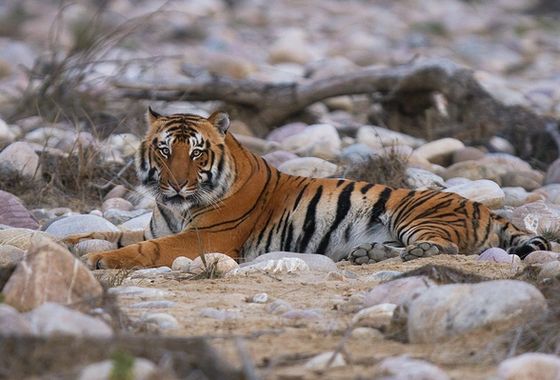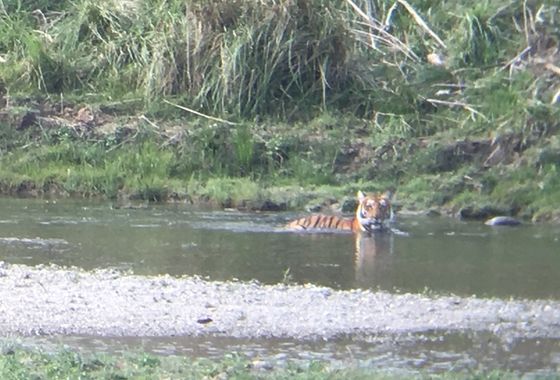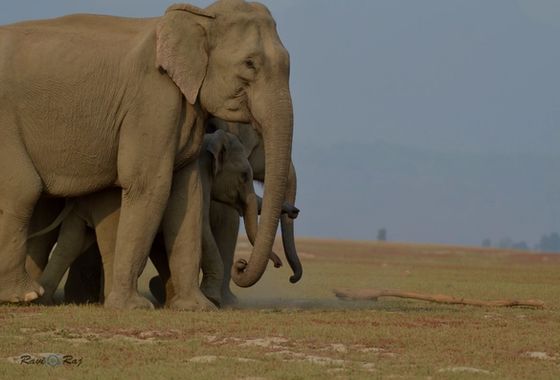
Where Ranthambore splits its park into numbered zones off a single gate structure, Corbett splits into named zones with their own entry gates, their own seasons, and in one case, its own vehicle rules entirely. Your zone decides your terrain as much as your wildlife odds, so it's worth knowing them before you book.
Dhikala: the flagship, and the hardest to get
Dhikala sits deep in the park's core, wrapped around wide grasslands (locally called chaurs) and the Ramganga's braided channels. It's the largest zone, the most scenic, and the only one where independent jeeps can't go — access is by government-run canter (a larger open vehicle) or an overnight stay at the forest rest house inside the zone. That overnight stay is the real prize: a night at Dhikala means a dawn and dusk drive with far less competition than the day-tripper crowd. It's open mid-November to mid-June and books out fastest of any zone.
Bijrani and Jhirna: the accessible core
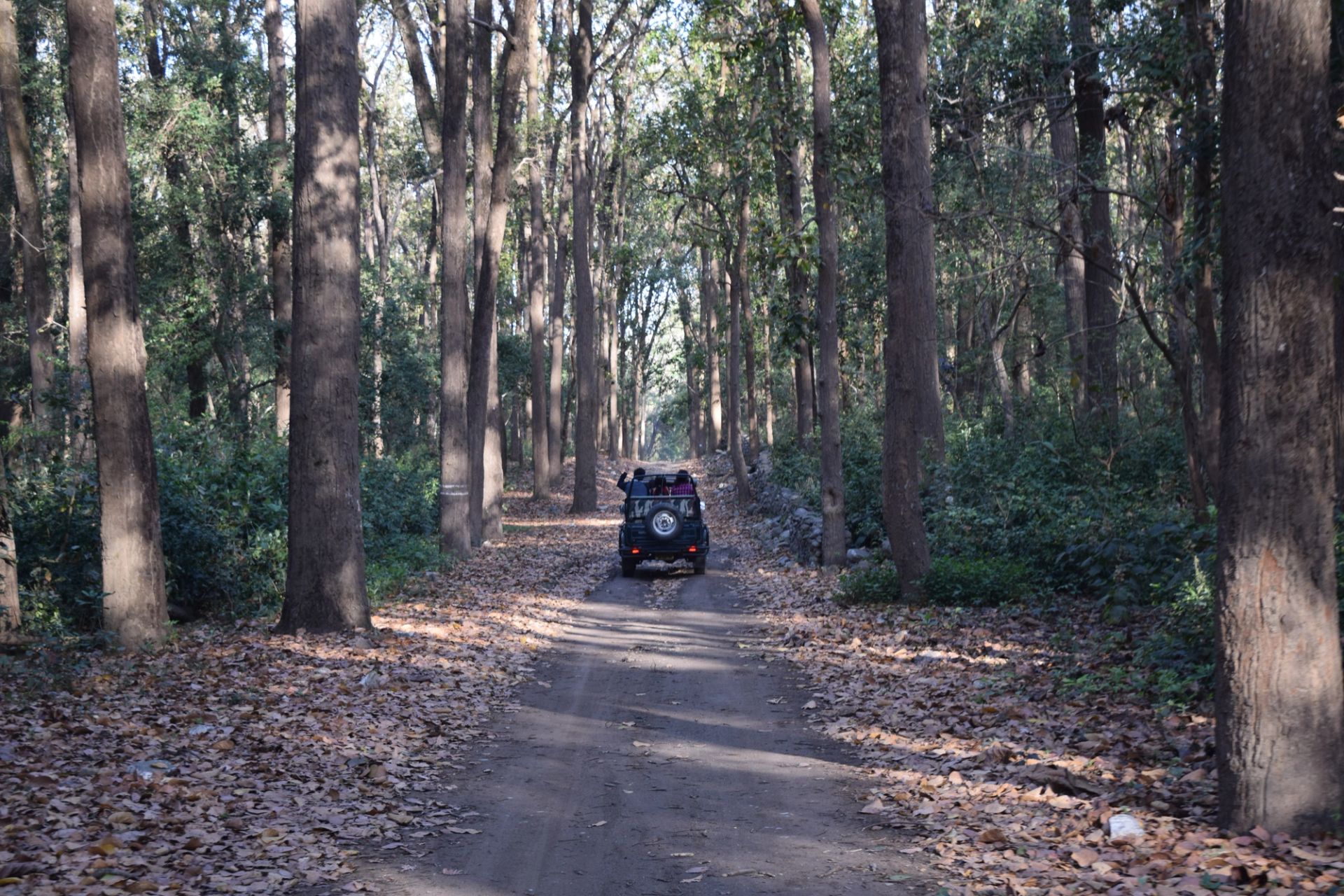
Bijrani, entered near Ramnagar, is the zone most first-time visitors actually drive: grassland, sal forest, streams, and a strong resident tiger population, all reachable on a half-day jeep safari without an overnight commitment. Jhirna, a little further south, is Corbett's one all-season zone — it stays open through the monsoon closure that shuts the others, which makes it the fallback for a summer or early-autumn trip. It's drier and scrubbier than Bijrani but reliably productive.
Dhela, Durga Devi and the newer gates
Dhela, opened to spread out visitor traffic from Jhirna, mixes forest and open grassland and has built a reputation as one of the better birding zones. Durga Devi, in the park's northeast near where the Mandal river meets the Ramganga, is hillier and more riverine — expect leopard sign, otters along the water, and a slower, quieter drive than the core zones. Newer gates like Phato and Garjiya spread pressure further still and are worth asking about if the classic zones are sold out.
How to choose
Our advice: if you can only do one thing, do a Dhikala overnight — nothing else in Corbett matches that grassland-at-dawn feel. If you're on a shorter trip, pair a Bijrani morning drive with a Dhela or Durga Devi afternoon for contrast, and keep Jhirna in your back pocket as the one zone that won't be closed no matter when you show up.
Choosing a zone around when you're travelling
Zone and season decide most of what your safari will actually look like, more than any other single choice. Our guide to Corbett's best months pairs well with the comparison above if you're still settling on dates.