Corbett isn't open year-round the way some parks are. The core zones shut for the monsoon, the grass grows over the tracks, and the whole park effectively resets every November. That makes timing less a matter of taste and more a matter of what's actually accessible when you land.
Winter (November–February): the classic season
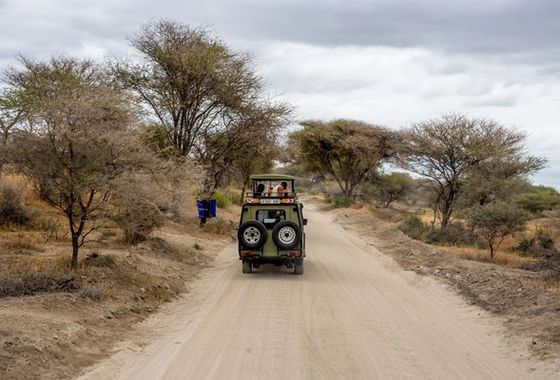
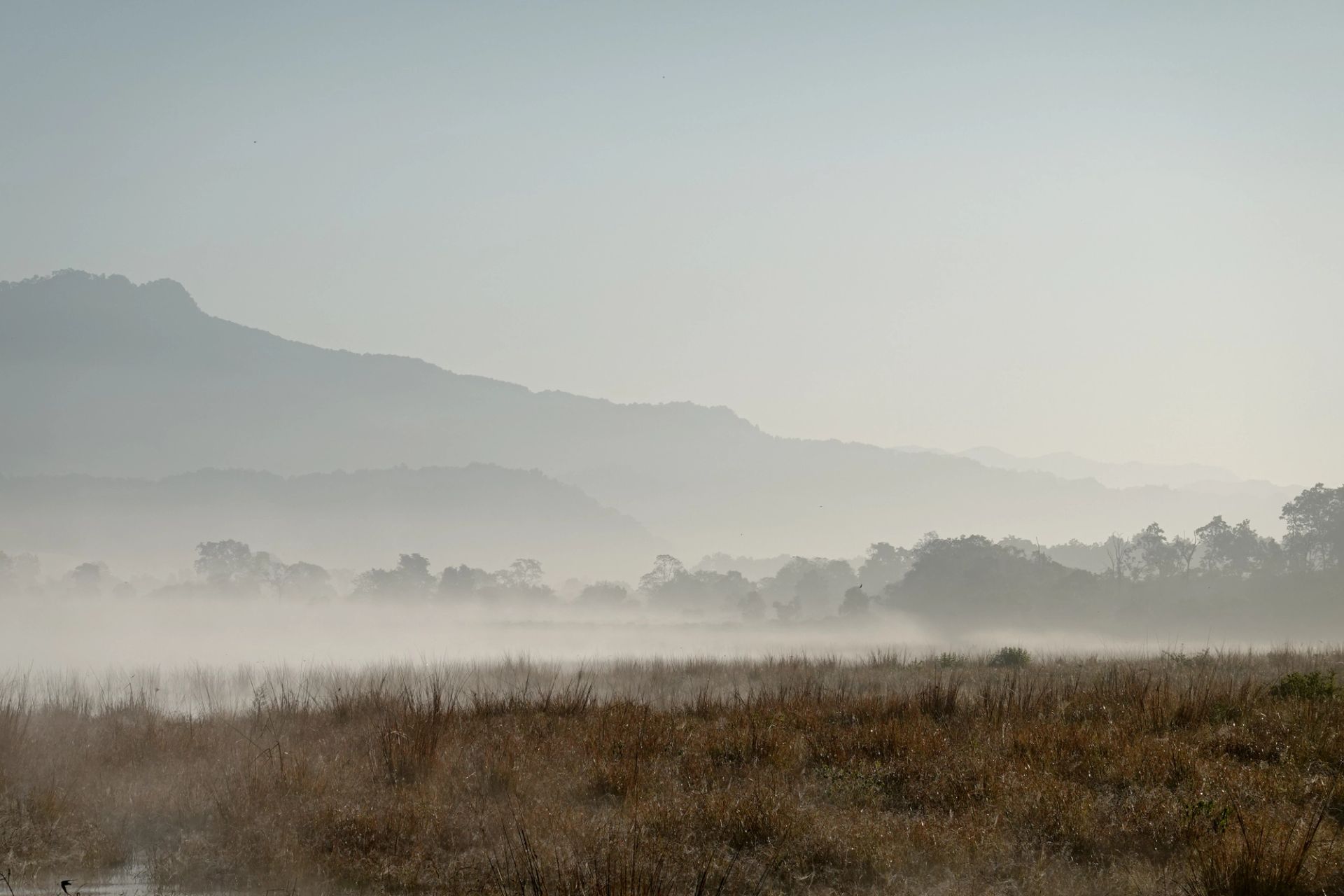
This is peak Corbett. Mornings are cold enough for a jacket and gloves in the open jeep, days settle into a clear, mild warmth, and the low winter sun keeps animals moving well past sunrise instead of retreating into shade by 8am. Visibility is at its best because the monsoon growth has started to die back. It's also when Dhikala — the park's flagship zone — is open in full, and when most of the 600-odd recorded bird species are present, including winter migrants down from Central Asia. Expect the biggest crowds and the highest lodge rates of the year.
Summer (March–mid-June): heat, but easier sightings
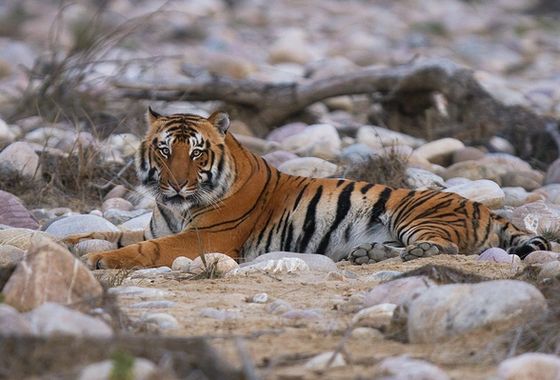
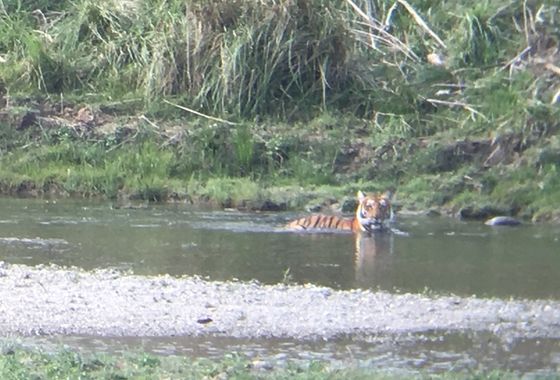
Corbett's summer is genuinely hot, climbing well into the 40s°C by May. That sounds like a reason to skip it, but serious wildlife-watchers often prefer it. As the smaller waterholes dry up, animals concentrate around the Ramganga's remaining channels and the reservoir, and a scorching afternoon means a tiger has far fewer places to hide from the morning drive. Go early, keep the safari to the first hours of daylight, and you'll trade comfort for consistency.
Monsoon (mid-June–mid-November): mostly closed
The core tourism zones — Dhikala, Bijrani, Durga Devi and others — close by government order roughly from the middle of June to the middle of November, both for visitor safety on flood-prone tracks and to let the park breed and regenerate undisturbed. A handful of buffer-zone areas stay open through the rains, but sightings are sparse and the forest is a different, greener, wetter place — beautiful, but not why most people fly in for a tiger.
Our advice
For a first visit, book December through February: cool mornings, full zone access, and the best odds of the trip you're picturing. If you've done that trip already and want something different, a late-April or May visit with early starts is a genuinely good second act — just skip the midday heat and drink more water than feels necessary.
Matching your season to a zone
Corbett's zones behave differently across the year — Dhikala's grasslands reward the dry months, while river-edge zones like Jhirna can stay productive even in the shoulder season. Our comparison of Corbett's safari zones is worth reading once you've settled on dates, so you book the zone that suits the season.