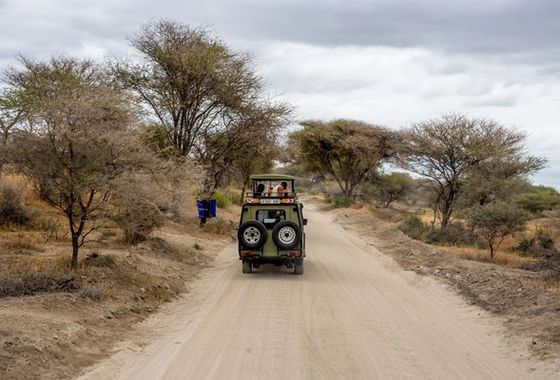
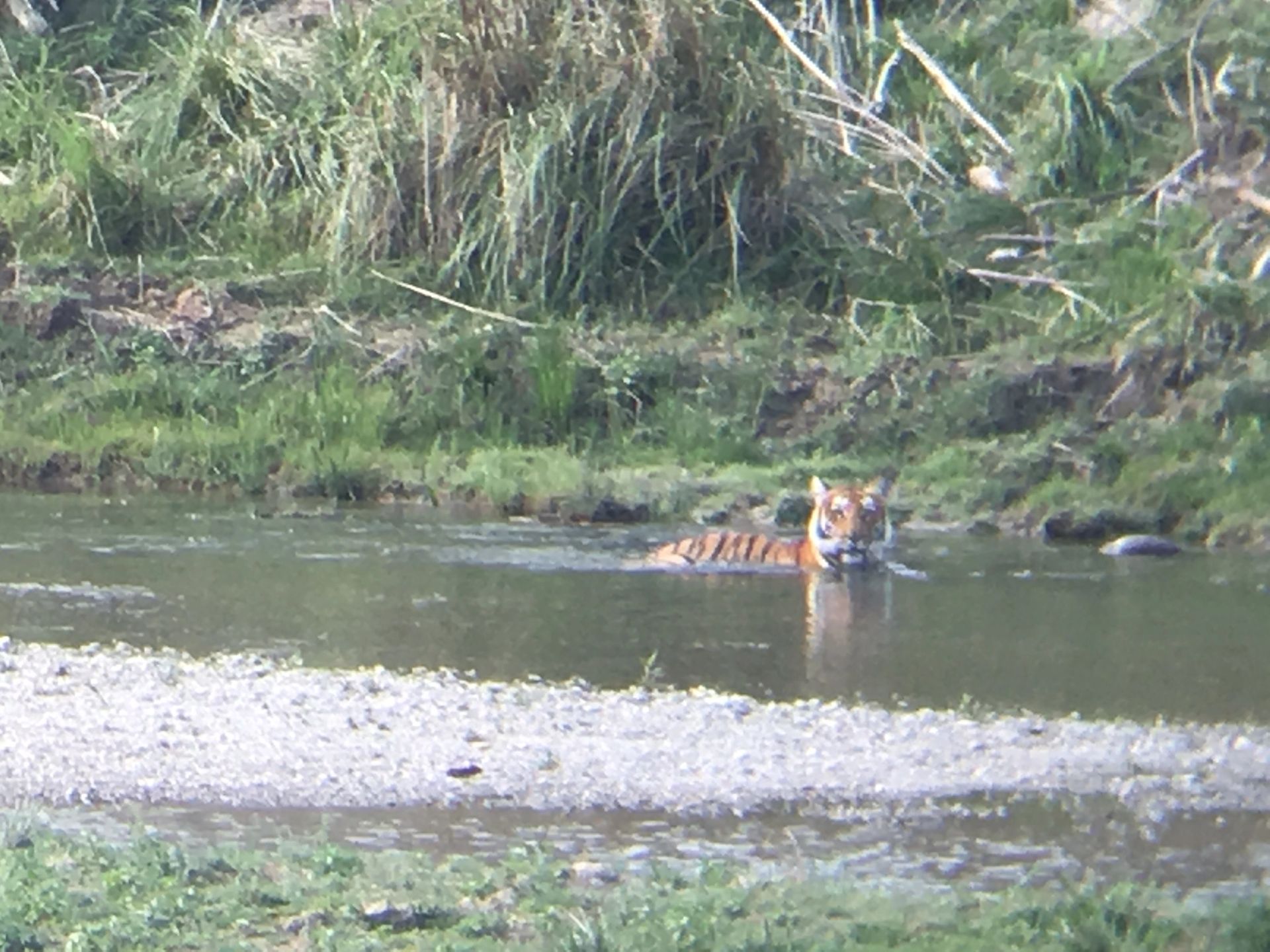
Every national park in India traces back, in some sense, to one valley in the Himalayan foothills of what is now Uttarakhand. In 1936, colonial authorities set aside roughly 320 square kilometers of forest along the Ramganga river as Hailey National Park — named for the sitting governor, Sir Malcolm Hailey — making it India's, and one of Asia's, first protected wilderness areas.
The hunter who became its advocate
The park's more famous name comes from Jim Corbett, born in Nainital in 1875, who spent much of his early life hunting man-eating tigers and leopards that had killed hundreds of people across the Kumaon hills — the Champawat Tiger and the Leopard of Rudraprayag among his most famous pursuits. But Corbett's relationship with the forest shifted over decades in the field. By the 1930s he had become one of the loudest voices for protecting the wildlife he'd once hunted, co-founding an early wildlife preservation society and pushing hard, alongside Hailey himself, for the valley's protection. He championed the camera over the rifle, and it was Corbett who lobbied for the park's creation in the first place.
A name that changed twice
The park's name didn't settle immediately. It was renamed Ramganga National Park in the mid-1950s, around the time of Corbett's death in Kenya in 1955. Not long after, it was renamed again — this time as Corbett National Park, the name it still carries, in recognition of the man whose advocacy had created it. His books, above all the bestselling Man-Eaters of Kumaon (1944), had already made the valley famous to readers worldwide long before most of them ever saw it.
Where Project Tiger began
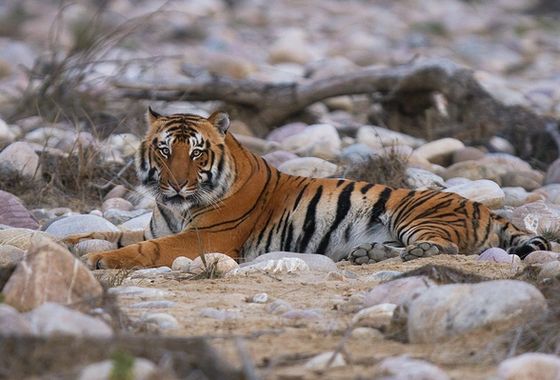
The park's second founding moment came decades later. On 1 April 1973, Corbett National Park was chosen as the launch site for Project Tiger, the Indian government's flagship tiger conservation program, at a time when the national tiger population had collapsed under decades of hunting and habitat loss. The choice wasn't incidental — a park built on a hunter's conversion to conservation was, symbolically and practically, the right place to start.
Our advice
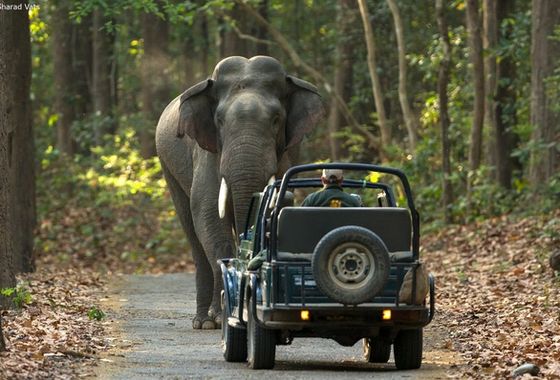
Read Man-Eaters of Kumaon before you go, or at least a chapter of it. Corbett's own descriptions of this exact terrain — the ravines, the river, the sal forest — still map onto what you'll drive through, and it's a rare case where the source material and the destination are literally the same ground.
Visiting the park that started it all
Almost a century after its founding, Corbett remains one of India's best-run reserves, and that history is part of what makes a visit feel different from a newer park. For permits, seasons and zone options, see our Corbett overview.