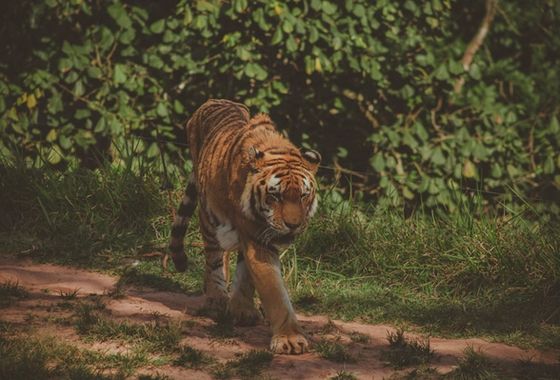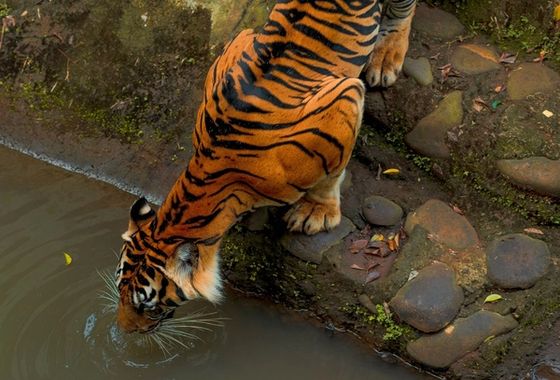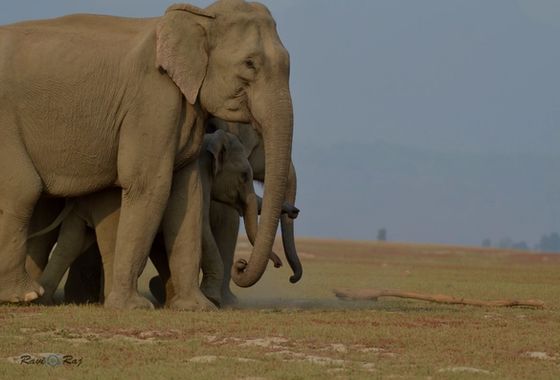
Tigers get the billing, and understandably so, but treating a Ranthambore safari as a tiger-or-nothing outing means missing most of what the park actually offers. This is a genuinely dense wildlife reserve, and on any given drive the tiger is only one of dozens of species you might encounter.
Leopards, the park's other big cat
Ranthambore holds a healthy leopard population, largely concentrated in the rockier, drier zones toward Kundal and Aantri where the terrain suits their more solitary, climbing habits. They're seen far less often than tigers — partly lower numbers, partly genuinely elusive behaviour — which makes a confirmed leopard sighting one of the most prized moments a repeat visitor can have here.
Sloth bears, sniffing out termite mounds
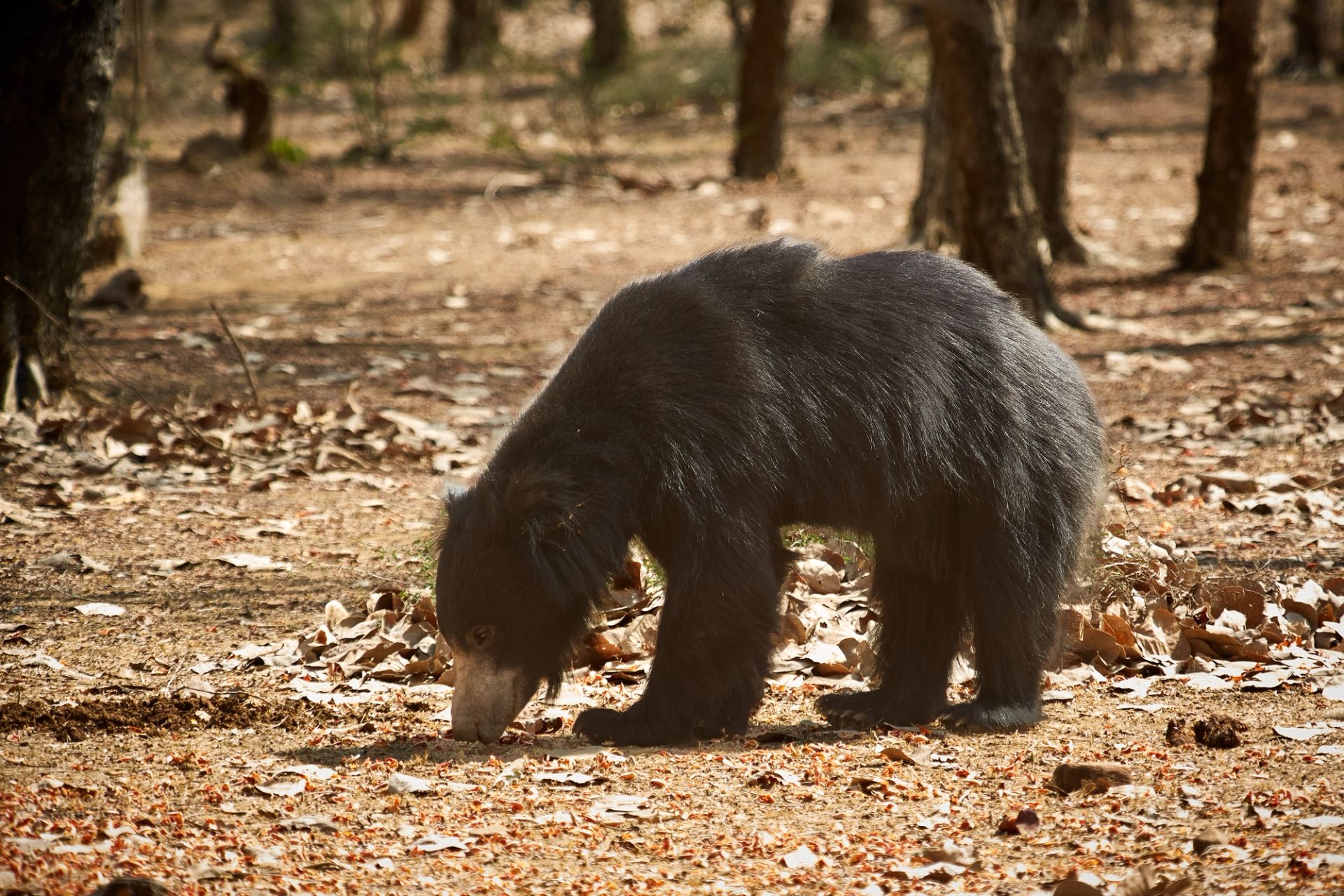
Sloth bears are one of Ranthambore's underrated residents, most reliably spotted around termite mounds and fruiting Mahua trees, particularly in the drier months when food sources concentrate. They're shaggy, near-sighted, and surprisingly fast when startled — guides treat sightings with real respect, and so should you.
A crowded field of smaller carnivores
Beyond the headline cats, Ranthambore supports striped hyenas, golden jackals, jungle cats, and a small but growing population of caracal — one of India's rarest wild cats. Add civets, mongooses and honey badgers to the list, and it becomes clear the park's carnivore guild runs far deeper than tigers and leopards alone.
The prey base, and life in the lakes
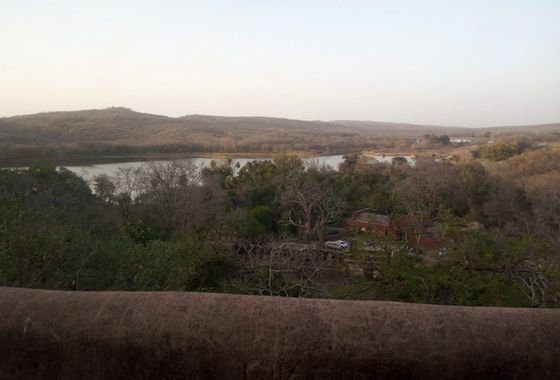
None of the above survives without the park's herbivores — sambar (the tiger's preferred prey), spotted chital, nilgai, chinkara and wild boar, all regularly seen across the zones. The lakes bring their own cast: marsh crocodiles that can exceed four metres, along with troops of langur and rhesus macaque along the shorelines.
Close to 300 species of bird
Ranthambore's bird list is one of the richest of any Indian tiger reserve, with close to 300 species recorded across the park — painted storks and crested serpent eagles among the residents, and a strong seasonal cast of migratory ducks on the lakes in winter. Our advice: if you only ever look for stripes, bring binoculars anyway. Some of the best sightings in this park never involve a cat at all.
Give the rest of the park a real chance
It's easy to spend an entire safari scanning for stripes and miss the sloth bear digging at a termite mound or the flash of a leopard on a rocky outcrop. Booking a second drive in a different zone, rather than repeating the same one hoping for a tiger, tends to reward patience with a fuller picture of the reserve — including, sometimes, a chance encounter with the lake tigers' famous lineage.