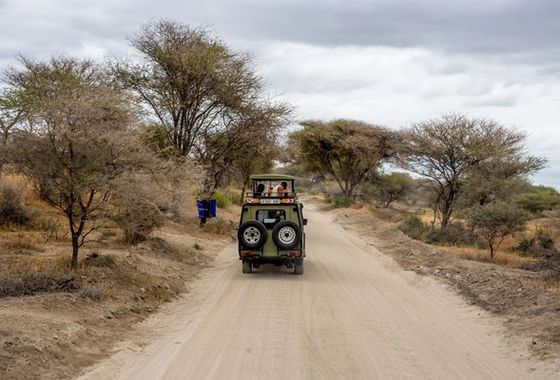
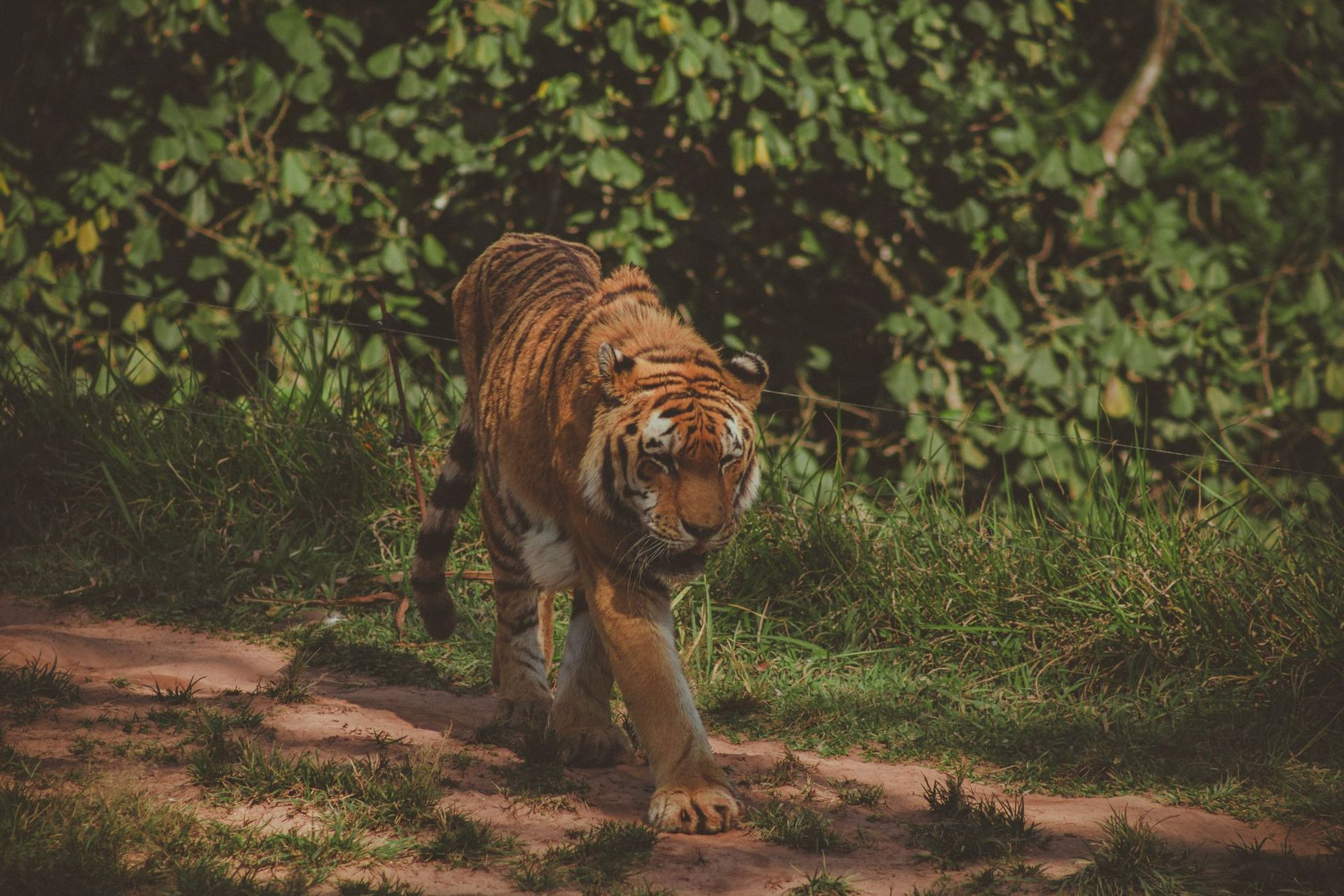
Ranthambore is divided into ten safari zones, and the zone printed on your permit decides which gate you enter, which tracks your jeep may drive, and — to an extent — which tigers you might meet. Every zone holds tigers today, but they feel very different from one another, so it pays to know the map before you book.
Zones 1–5: the historic core
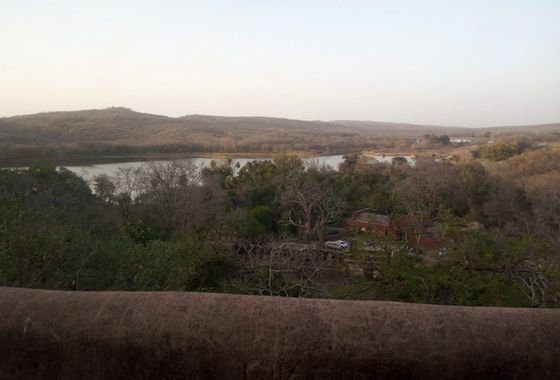
The original tourism zones wrap around the fort and the three lakes. Zone 3 is the postcard — Padam Talao and Rajbagh, home of the famous lake dynasty — while Zones 2 and 4 share much of the same tiger traffic and dramatic dry-forest scenery. Zone 1 (Singh Dwar) and Zone 5 (Bakola) are quieter valleys with excellent sightings when a resident female holds territory.
Zones 6–10: the newer gates
Opened later to spread visitor pressure, these zones lie on the Kundal, Balas and Khandar sides. They are drier, wilder and less crowded — Zone 6 (Kundal) has produced superb sightings in recent seasons, and Zone 10 (Aantri) is known for sloth bear and caracal luck. If you value an empty track over a guaranteed lake backdrop, book here.
How permits actually work
Permits are issued by the Rajasthan forest department and open roughly 90 days in advance; core-zone slots for October–February weekends disappear within hours. Morning drives (roughly 6:00–10:00) and evening drives (3:00–7:00) are booked separately, and your zone is fixed at booking — no swapping at the gate. Our advice for a first visit: one lake-zone drive (2, 3 or 4) for the scenery, one drive in 5 or 6 for the quieter forest, and always mid-week if you can.
Booking your preferred zone
Zone is fixed at the moment you book, alongside your vehicle and session time, and popular zones near the lakes sell out first. See our permit booking walkthrough for the exact timing and documents you'll need to secure the zone you want.