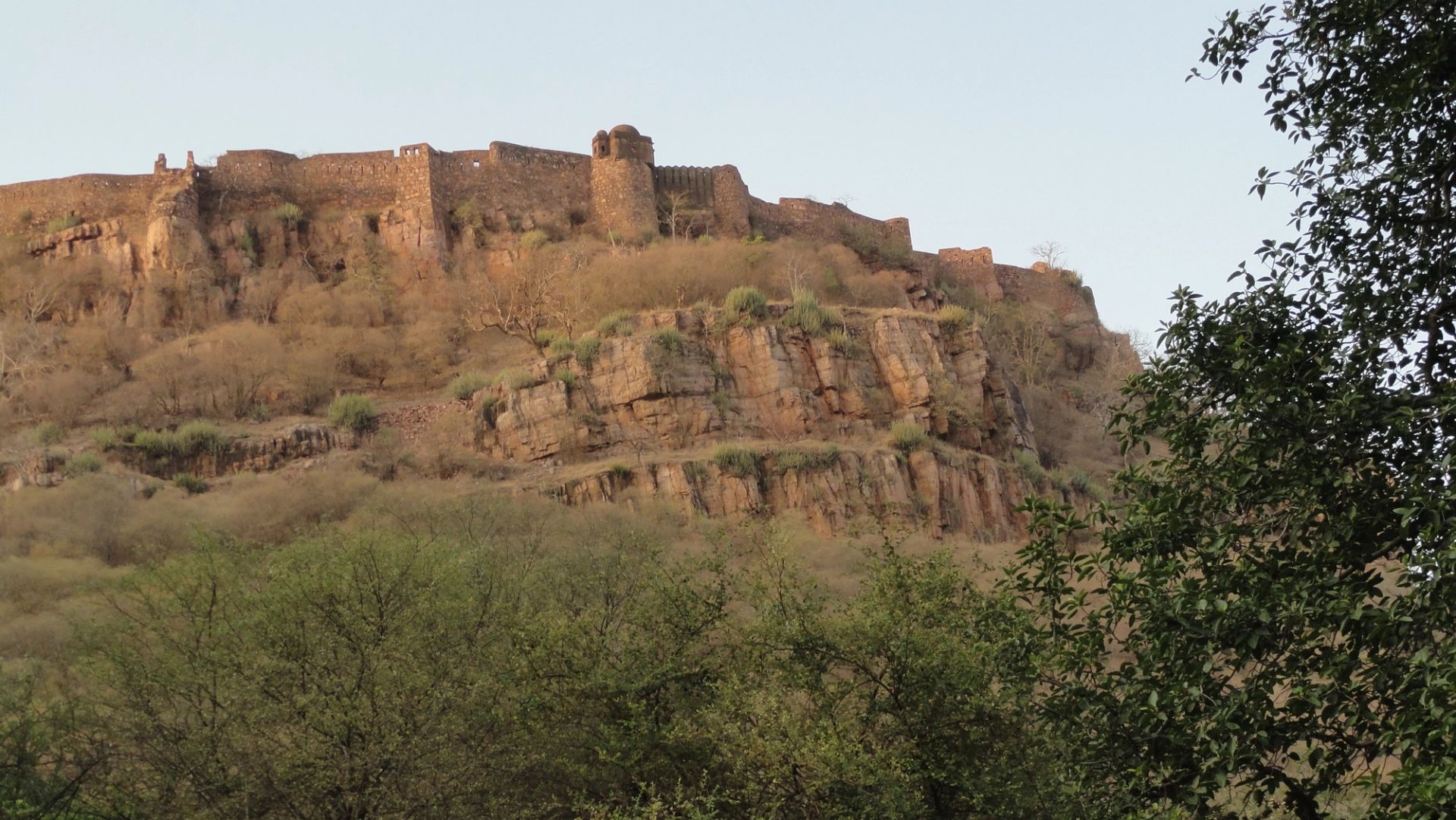
Most visitors come to Ranthambore for the tigers and only notice the fort as a shape on the hillside above Padam Talao. That's a shame, because the fort predates the tiger reserve by close to a thousand years, and its history explains a lot about why this particular patch of forest survived intact.
Built by the Chauhans, fought over for centuries
Ranthambore Fort is generally traced to the Chauhan dynasty, with construction associated with the mid-10th century. It sits roughly 700 feet above the surrounding plains, a natural defensive position that made it one of the most strategically valuable forts in this part of Rajasthan for generations. The Chauhan ruler Prithviraja III lost control of the region after his defeat in 1192, and the fort changed hands repeatedly in the centuries that followed.
Hammiradeva's last stand
The fort's most famous chapter belongs to Hammiradeva, who sheltered a rebel general fleeing the forces of Sultan Alauddin Khalji. When Hammiradeva refused to hand him over, Khalji laid siege to the fort, finally taking it in 1301. Later rulers of Mewar — including Rana Hamir Singh, Rana Kumbha, and Rana Sanga — held the fort through the 14th to 16th centuries, before Akbar's forces captured it from the Hada Rajputs in 1568.
A UNESCO World Heritage Site
In 2013, Ranthambore Fort was inscribed by UNESCO as part of the "Hill Forts of Rajasthan," a collective listing of six forts recognised for their exceptional Rajput military architecture. It shares that status with forts like Chittorgarh and Kumbhalgarh, but Ranthambore's setting is unlike any of them — a working fort inside a living tiger reserve.
Visiting the fort today
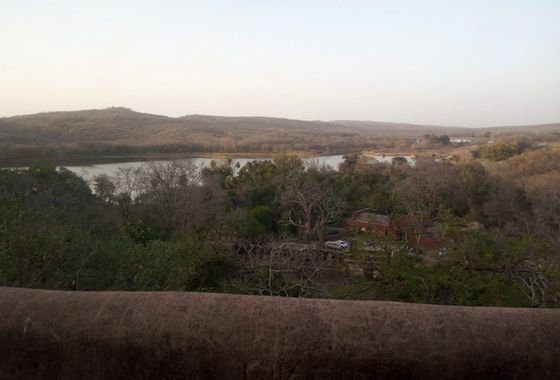
The fort sits inside the national park boundary and is open to visitors separately from safari drives, with temples, gateways, and stepwells still intact within its walls. Our advice: build in a half-day for the fort on a non-safari morning. It's one of the few places in Ranthambore where you're looking down at the forest instead of into it, and the perspective on the park's geography is worth the climb.
Visiting the fort alongside your safari
Because the fort sits inside the reserve's core zone, most visitors combine it with their safari trip rather than treating it as a separate excursion — a half-day at the fort pairs naturally with a morning or evening game drive. If you're still building out your itinerary, our Ranthambore overview covers permits, seasons and what else to plan around.