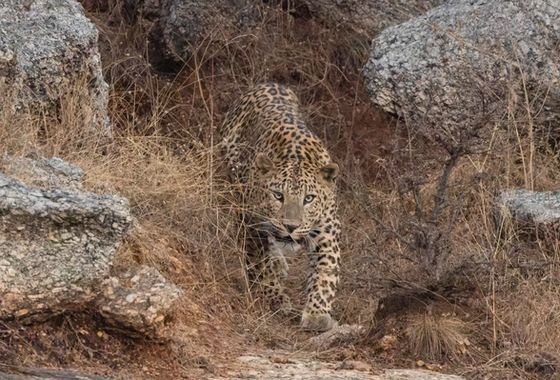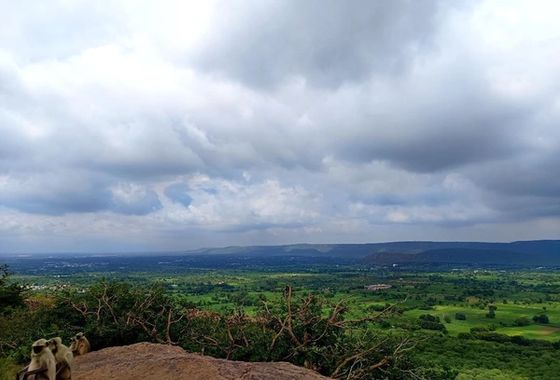
Jawai is unlike any reserve you have visited: there is no gate, no fence and no fixed park boundary. Around the Jawai dam in Rajasthan's Pali district, ten-million-year-old granite kopjes rise straight out of farmland, and in their caves lives one of the densest leopard populations in India — upwards of fifty cats sharing the hills with villages and temples.
What a drive looks like
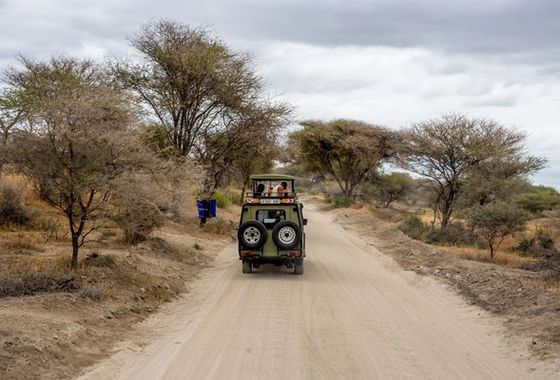
Safaris run at dawn and dusk in open jeeps, and because the land is unfenced your driver reads the hills rather than following set routes. Leopards sun themselves on the granite in the golden hours, so sightings are typically long, unhurried scope-and-watch encounters rather than roadside glimpses. Between cats you will pass the dam's marsh crocodiles, wintering flamingos and demoiselle cranes, and hilltop shrines like Devgiri temple.
When to go
Jawai is open year-round — a rarity among Indian wildlife destinations, and the reason we send monsoon-season travellers here when the tiger reserves close. October to March is prime: cool mornings, amber light on the rock, and the flamingo flocks at their peak. Summer drives still deliver leopards, just start earlier and carry more water.
Where to stay
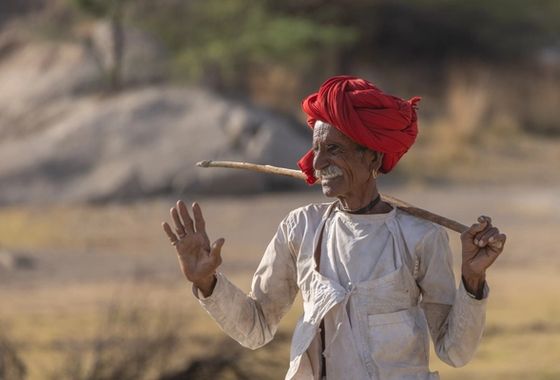
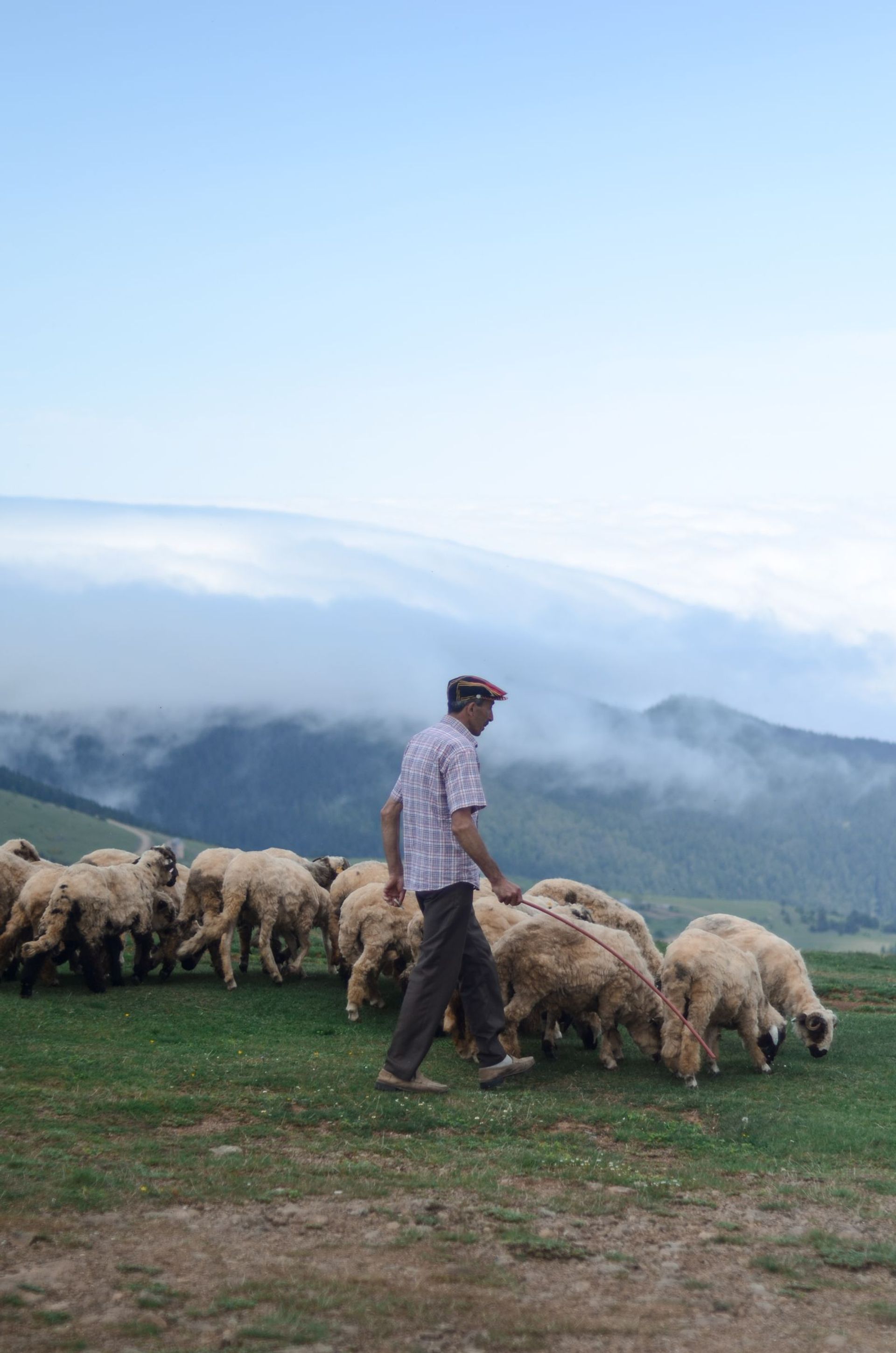
Jawai pioneered India's boutique tented-camp safari — a handful of luxury camps, each with only a few suites, private guides and dining under the stars. Camps hold very few tents and peak winter dates sell out months ahead, so reserve early. Two nights is the comfortable minimum; three lets you add a village morning with the Rabari herders.
The Rabari, and why leopards survive here
Jawai isn't a fenced reserve — leopards live among the Rabari herding community's villages and grazing land, in one of India's more remarkable examples of coexistence. Our piece on the Rabari and Jawai's leopards goes deeper into how that relationship actually works.