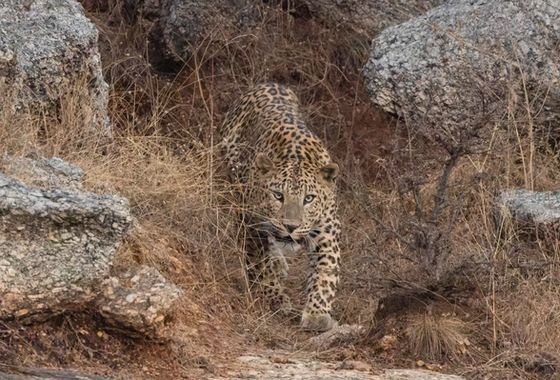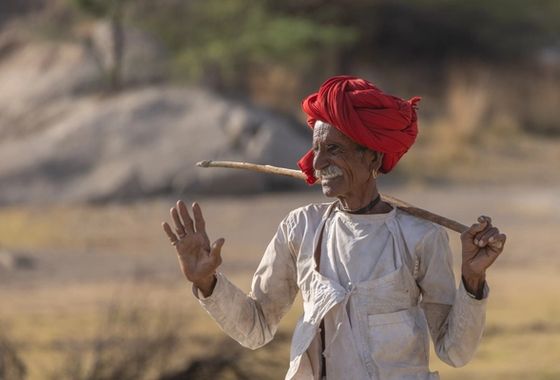
Ask anyone who has been to Jawai what stayed with them and they rarely say the leopards first. They talk about a red-turbaned figure walking a herd of goats along the base of a hill — directly beneath a cave where a leopardess and her cubs are watching — and neither party paying the other any mind.
Who are the Rabari?
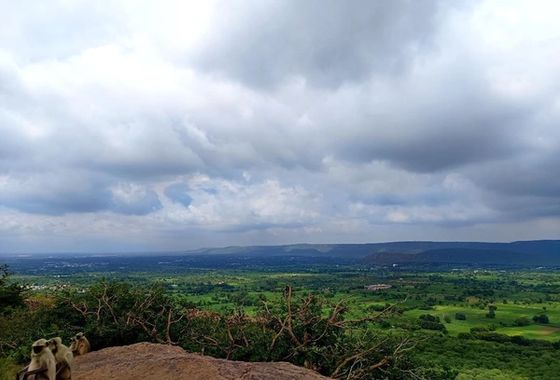
The Rabari are semi-nomadic pastoralists of Rajasthan, keepers of camels, goats and sheep for centuries. In Jawai they graze the plains between the kopjes, and their relationship with the leopards is built on faith: the caves are temple caves, the hills are sacred, and the cats that live among the shrines are seen as guardians rather than vermin. Livestock losses are absorbed with remarkable patience, and retaliation is almost unheard of.
Why the truce holds
Researchers point to a rare alignment: leopards here feed largely on stray dogs and wild prey, herders guard their flocks by day, and the community's beliefs give the cats sanctuary at night. Whatever the mechanism, the result is a coexistence with no park boundary and no fence — a living counter-example to the fortress model of conservation.
On our Jawai journeys we pair leopard drives with a Rabari village morning — shared tea, herding stories and the chance to understand the people who make this landscape possible. Go for the cats; you will come home talking about the truce.
Experiencing this coexistence on safari
Understanding the Rabari's relationship with the leopards changes how you read a Jawai safari — a leopard resting near a herd isn't an anomaly here, it's the everyday arrangement this landscape runs on. Our Jawai overview has the practical details for booking a visit.