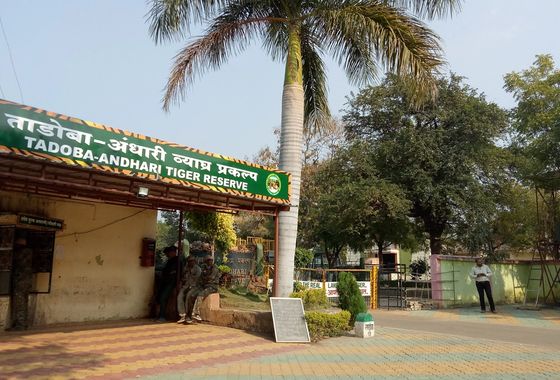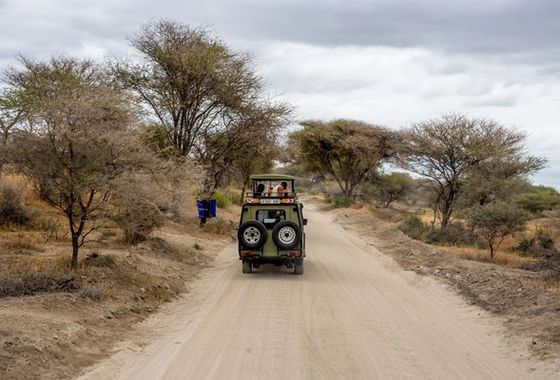
The alarm goes off before the sky has decided what color it wants to be. Outside the lodge it's cold enough that the warm layer you packed suddenly feels essential rather than optional, and the jeep, when it pulls up, has that particular pre-dawn smell of diesel and dew on canvas. Nobody talks much on the drive to the gate. There's coffee if you're lucky, silence if you're not, and the gate itself is already a small crowd of other jeeps by the time you arrive — everyone checking permits, everyone pretending not to be as excited as they are.
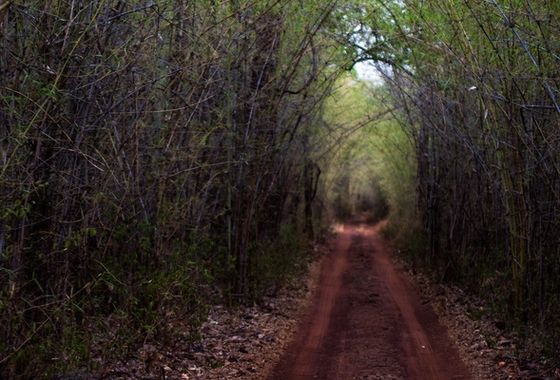
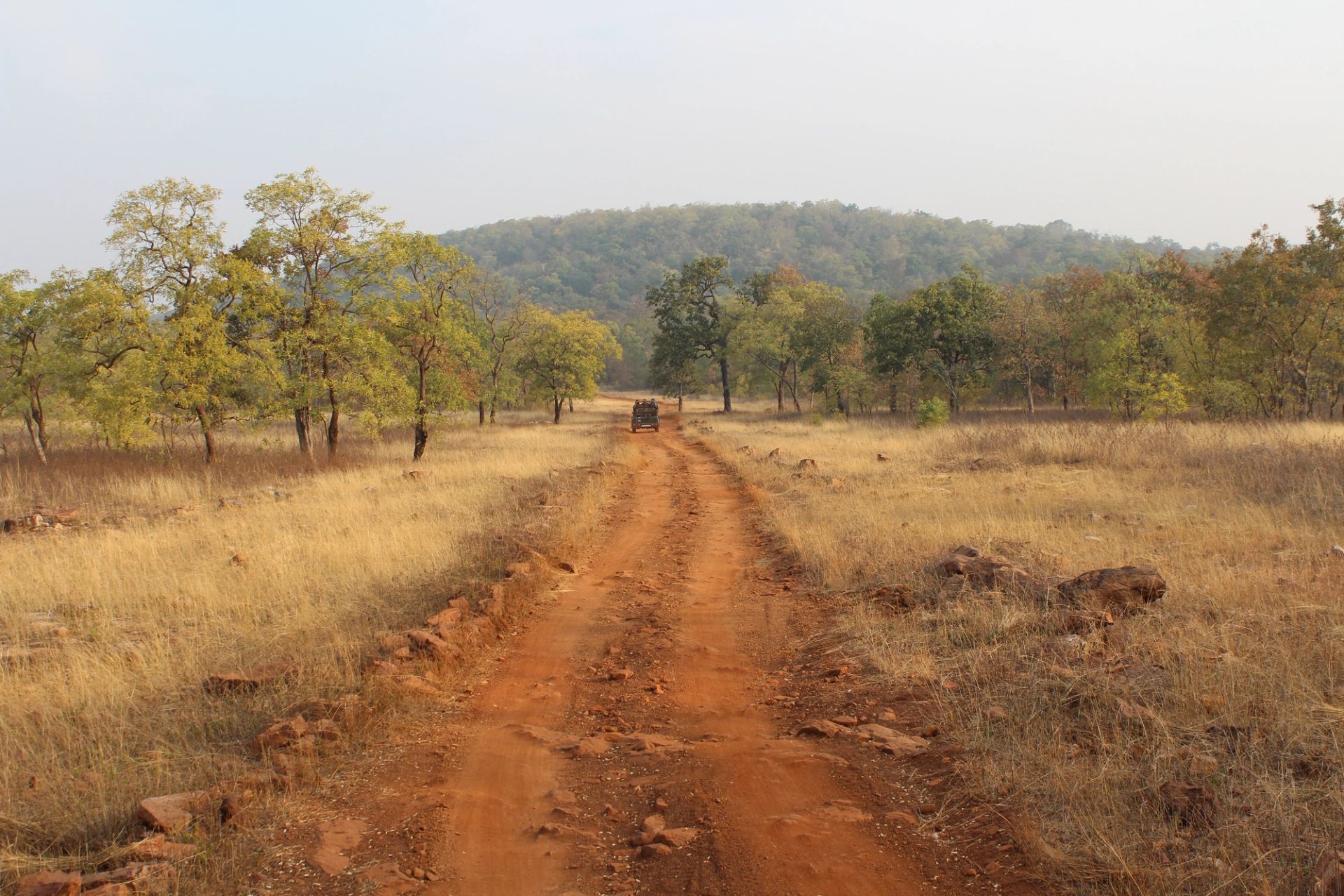
Inside the gate, the forest takes a while to wake up too. The first ten minutes are quiet: bare teak trunks going gray to gold as the light comes up, dew still on the grass, your guide's eyes already working the verges out of habit before anyone's said a word. Then it starts — a peacock calling somewhere off to the left, a langur shifting in a canopy overhead, the crunch of the jeep's tires the loudest sound in the world until it isn't.
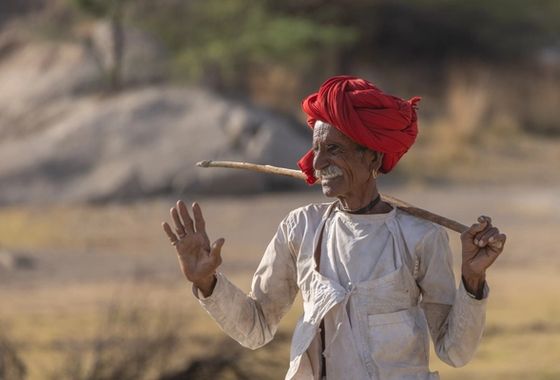
The buffer zone doesn't announce itself the way the core does. There's a field at the edge of one bend, someone's cattle grazing near a treeline that technically belongs to the forest department and practically belongs to nobody. A woman crosses a track ahead with a bundle of firewood balanced on her head, unbothered by the jeep, headed somewhere the road doesn't go. This is not a diorama. People live here, and the forest and the farmland lean into each other at every edge, which is part of what makes a buffer-zone drive feel different from a core-zone one — less curated, more real.
Then, an alarm call. A chital barks twice, sharp and repeated, and every head in the jeep turns at once. Your guide cuts the engine. Nothing for a full minute — just the tick of cooling metal and the ordinary sounds of a forest deciding whether to be alarmed. Maybe it's nothing, a jackal passing through, a leopard that was never going to show itself anyway. Maybe, thirty seconds later, something moves in the grass at the treeline, low and orange and unhurried, and the whole jeep goes silent in a completely different way.
Or maybe it doesn't. Maybe the call fades, the chital goes back to grazing, and the jeep moves on toward the next bend, the next waterhole, the next hour of a five-hour drive that owes you nothing. That's the honest version of a Tadoba morning — long stretches of ordinary forest, a handful of moments that stop your breath, and no way to know in advance which one you're going to get. Our advice: go for the whole drive, not just the tiger. The forest waking up around you is worth the alarm clock either way.
Why the buffer zone surprises first-timers
Buffer zones get treated as the fallback option by travellers fixated on the core, but mornings like this one show why that reputation is outdated — the buffer's mixed forest and lighter vehicle traffic often make for calmer, more rewarding drives. Our guide to Tadoba's safari gates explains which entry points lead into buffer terrain like this.