Ranthambore isn't a park you can visit on a whim. The safari zones open on 1 October and the core area shuts for the monsoon on 1 July, and everything in between is really three distinct trips wearing one name. Knowing which season you're booking into matters as much as which zone.
Winter (November–February): the classic safari
This is peak Ranthambore — cool mornings, clear skies, and the forest at its most photogenic. Dawn temperatures can drop close to freezing, especially in December and January, so open-topped gypsies feel genuinely cold before the sun climbs. Vegetation is still fairly full early in the season and thins out as it progresses, which gradually improves visibility. It's also the busiest and most expensive stretch of the year, with permits for weekends and holiday periods disappearing fast. Our advice: book winter for the classic scenery and comfortable daytime temperatures, but commit early and go mid-week if your dates allow it.
Summer (March–June): fewer crowds, better odds
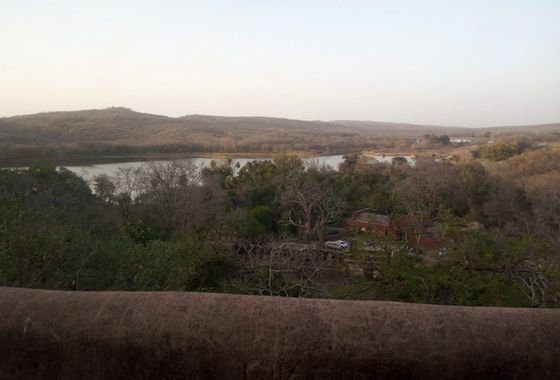
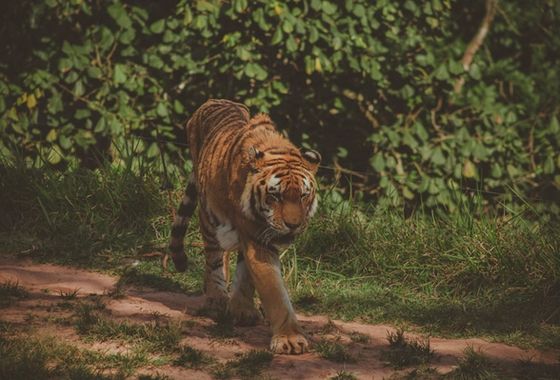
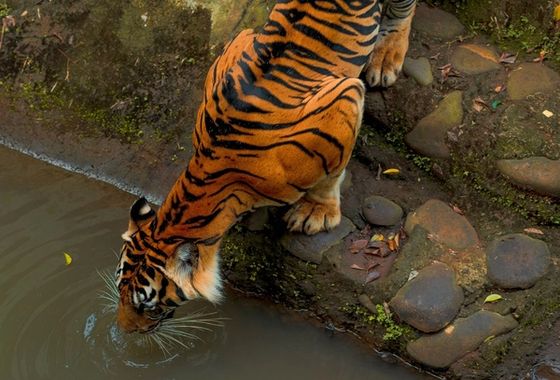
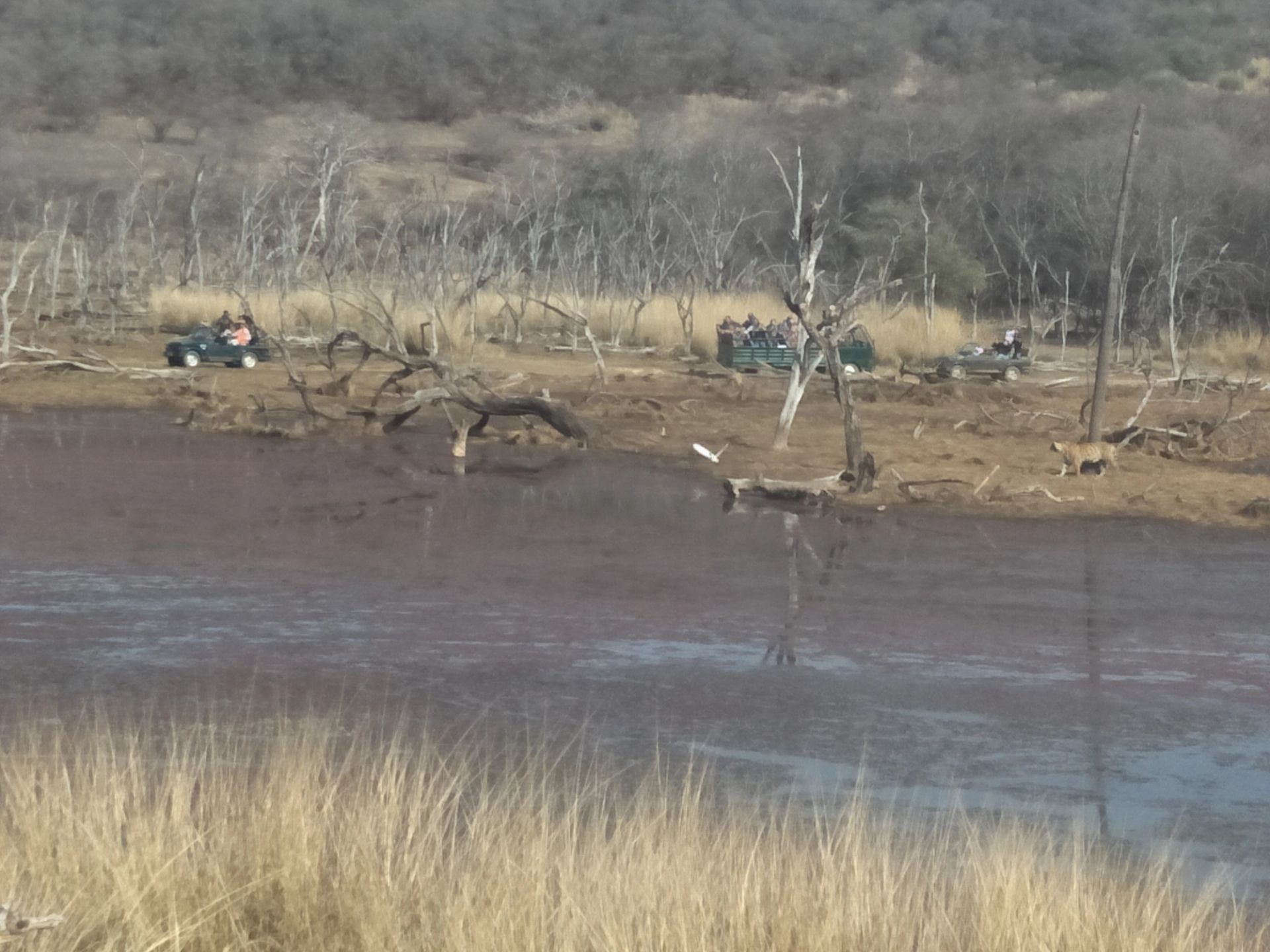
Summer gets a bad reputation it doesn't fully deserve. Yes, afternoon temperatures climb hard, often well into the 40s Celsius by May, and the middle of the day is brutal. But the forest cover drops away almost completely, water becomes scarce and concentrated at known waterholes, and tigers — like everything else — move toward whatever water is left. Sighting frequency genuinely improves as summer progresses, even as comfort declines. Permits are easier to secure and hotel rates soften. Our advice: if a strong sighting matters more to you than a pleasant afternoon, April and May are underrated months to book.
Monsoon (July–September): the park narrows, it doesn't close
The core tourism zones close from 1 July through 30 September under national tiger reserve guidelines, largely because monsoon trails become unsafe for vehicles and because this is a key breeding period for much of the park's wildlife. But Ranthambore doesn't fully shut down — a handful of outer zones and buffer areas stay open, and the landscape turns a green nobody associates with this park. It's a niche season for repeat visitors more than first-timers.
Our recommendation
For a first visit built around comfort and classic imagery, come in December or January. For a first visit built around sighting odds and lighter crowds, come in April or May and plan your midday around shade, not safaris.
Booking around the season you pick
Whichever season you land on, the permit system doesn't change — slots open roughly 90 days ahead and the busiest winter weekends sell out within hours. Our step-by-step permit booking guide covers exactly when to book and what you'll need at the gate.
Pairing your season with the right stay
Where you base yourself matters more in shoulder season, when fewer properties stay fully staffed and some close entirely during the monsoon. See our Sawai Madhopur hotel guide for options that suit each time of year.