The alarm goes off before 5:30, and it is, without exception, the coldest moment of the entire trip. You dress in the dark by feel — the layers you set out the night before — and by the time the hotel jeep pulls up to take you to the gate, the sky hasn't decided yet whether it's night or morning.
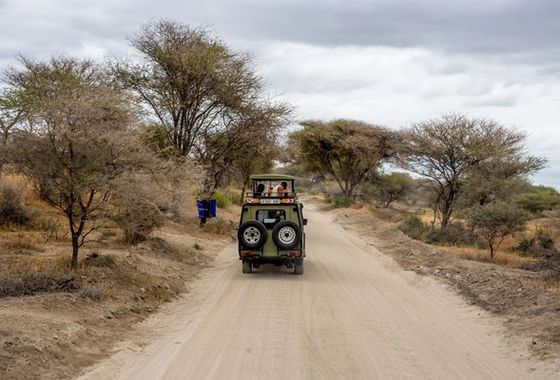
At the gate there's a particular kind of stillness. Gypsies line up in the half-light, engines idling, guides checking permits against passports and ID cards by torchlight. Nobody talks much. Then the barrier lifts, and your driver pulls forward into the dark, and the safari has started before you've really registered that it has.
The first kilometres of Zone 3 are pure texture rather than sighting — dhok trees ghosting past in the headlights, the cold properly biting now that the jeep is moving, langurs beginning to stir somewhere up in the canopy before you can see them. Your guide is already reading the forest in a way you aren't yet: a set of pug marks in the dust at a track junction, a distant alarm call from a sambar that makes him lift a hand for quiet.
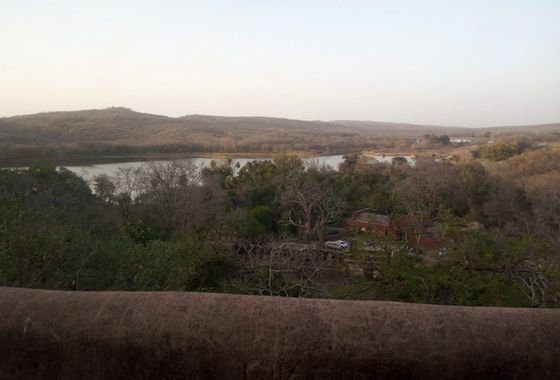
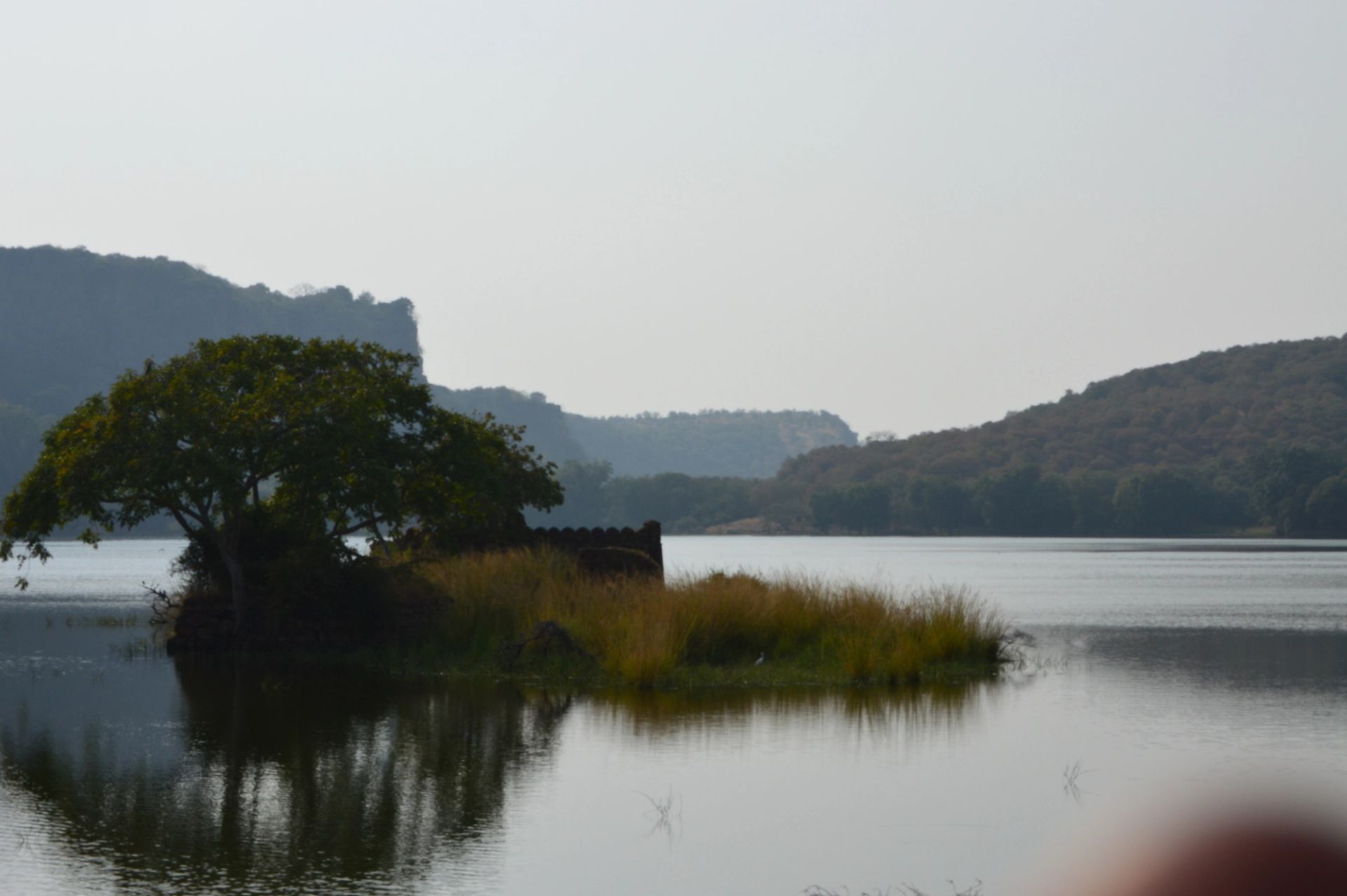
Padam Talao appears out of the mist rather than arriving — a sheet of pale water with egrets standing motionless at its edge, and somewhere across it, the fort on the hill catching the very first colour of the sunrise. This is the moment every Zone 3 photograph tries to capture, and no photograph quite manages it, because half of what makes it work is the cold on your hands and the quiet.
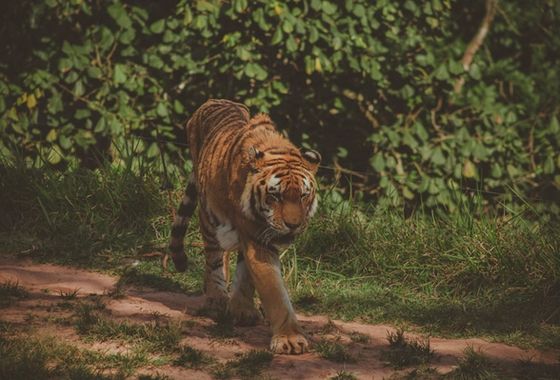
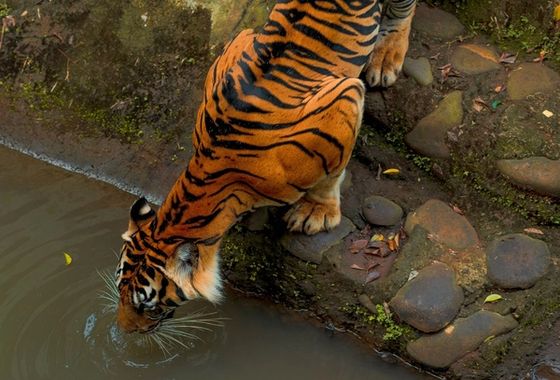
What happens next is never guaranteed, and that's the honest truth of it. Some mornings deliver a tiger crossing a track in full view, unhurried, entirely unbothered by six people holding their breath in an open jeep. Other mornings deliver nothing of the sort — just the forest, the lake, a jackal trotting the treeline, a serpent eagle riding a thermal overhead. Both are Ranthambore. Neither is a lesser version of the other.
By the time the gate closes behind you on the way out, the sun is properly up, the cold has burned off, and you understand something about this place that a zone map or a species list can't quite tell you — that a safari here isn't really about what you tick off. It's three hours inside a working forest, on its terms, and every one of them is different.
Why Zone 3 draws repeat visitors
Zone 3 sits close to the lake system that gives Ranthambore its postcard scenery, which is part of why mornings here so often turn into the kind of drive described above. It isn't guaranteed — no zone is — but its mix of open grassland and water edge means sightings tend to be visible for longer once they happen, rather than a flash of stripes disappearing into thick cover. If you're deciding which zone to request, our guide to Ranthambore's safari zones breaks down how each one differs and what to expect from it.